







The challenge
An elder care and rehabilitation provider in Gujarat already ran its residents on a web application we had built, from inquiry to discharge (see the resident management case study). The gap was bedside care recording. Water, meals, bathing, vitals and medicines happen many times a day, and noting them down hours afterward left holes in each resident's record.
Families had questions of their own. They wanted to know whether a parent was eating and drinking well, and what they owed, without calling the front desk. The provider needed an elderly care family app that showed real care as it happened, not a summary written days later.
What we built: a staff app and an elderly care family app
We built two React Native apps for Android and iOS on top of the existing system, and extended the web app around them.
The staff app. Carers open a resident and log each care event as it happens:
water intake, output and diaper changes;
meals, supplements, bathing and oral care;
vitals, weight, physiotherapy and medicines.
Staff also handle admissions, discharges and alerts from the same app.
The relatives app. Families see each resident's care events and vitals on a timeline they can filter. They can export basic details, vitals, medicines and notes. Statements of account, payment options and payment reminders sit in the same app.
The web app. Admission and discharge now follow checklists the provider defines, with a draft mode for half-finished forms. Discharge shows whether the account is clear, and symbols beside a resident's name flag needs such as low water intake or a low-salt diet. Guardians' email addresses are verified with a one-time code.
How it works day to day
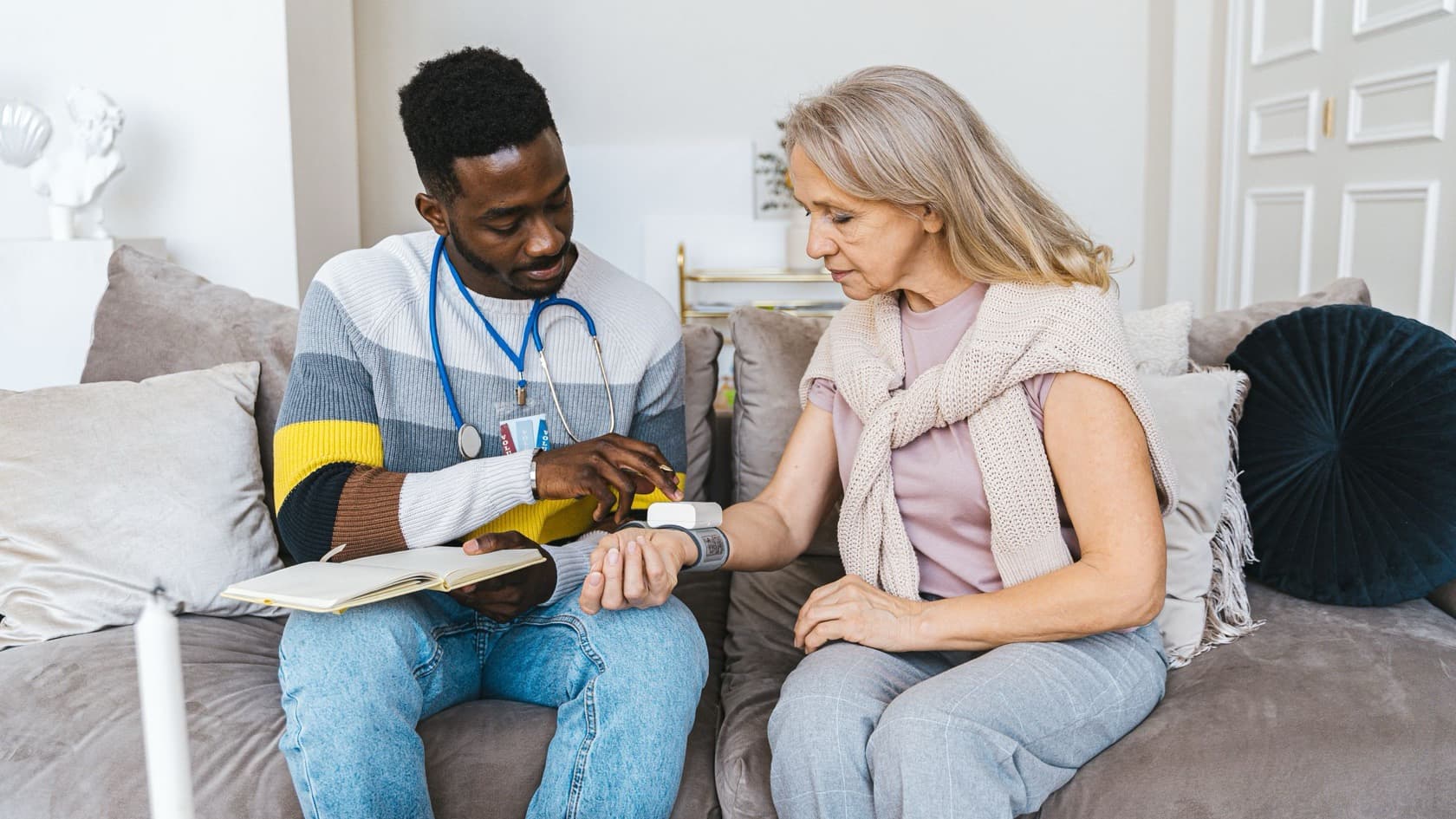
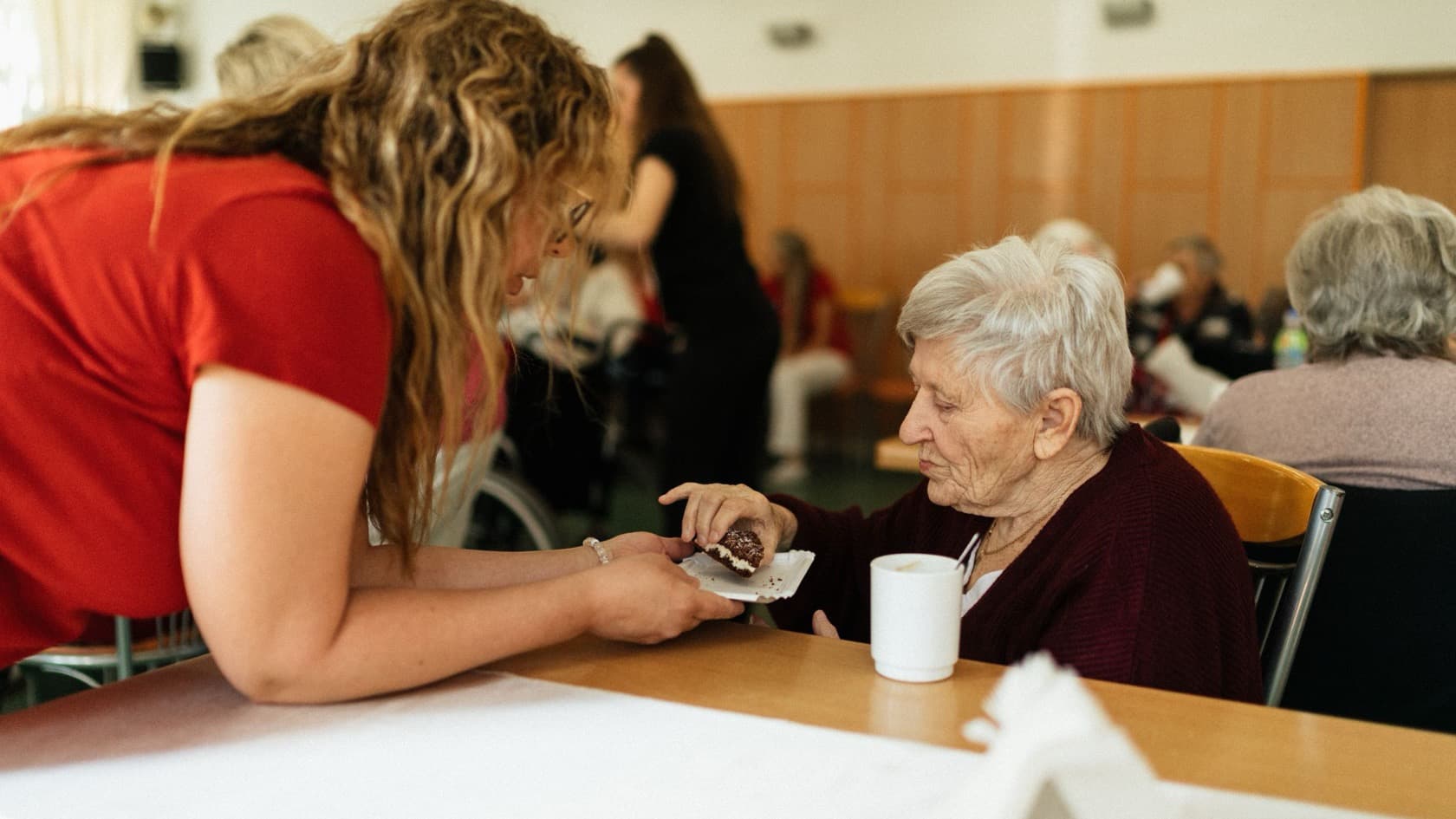
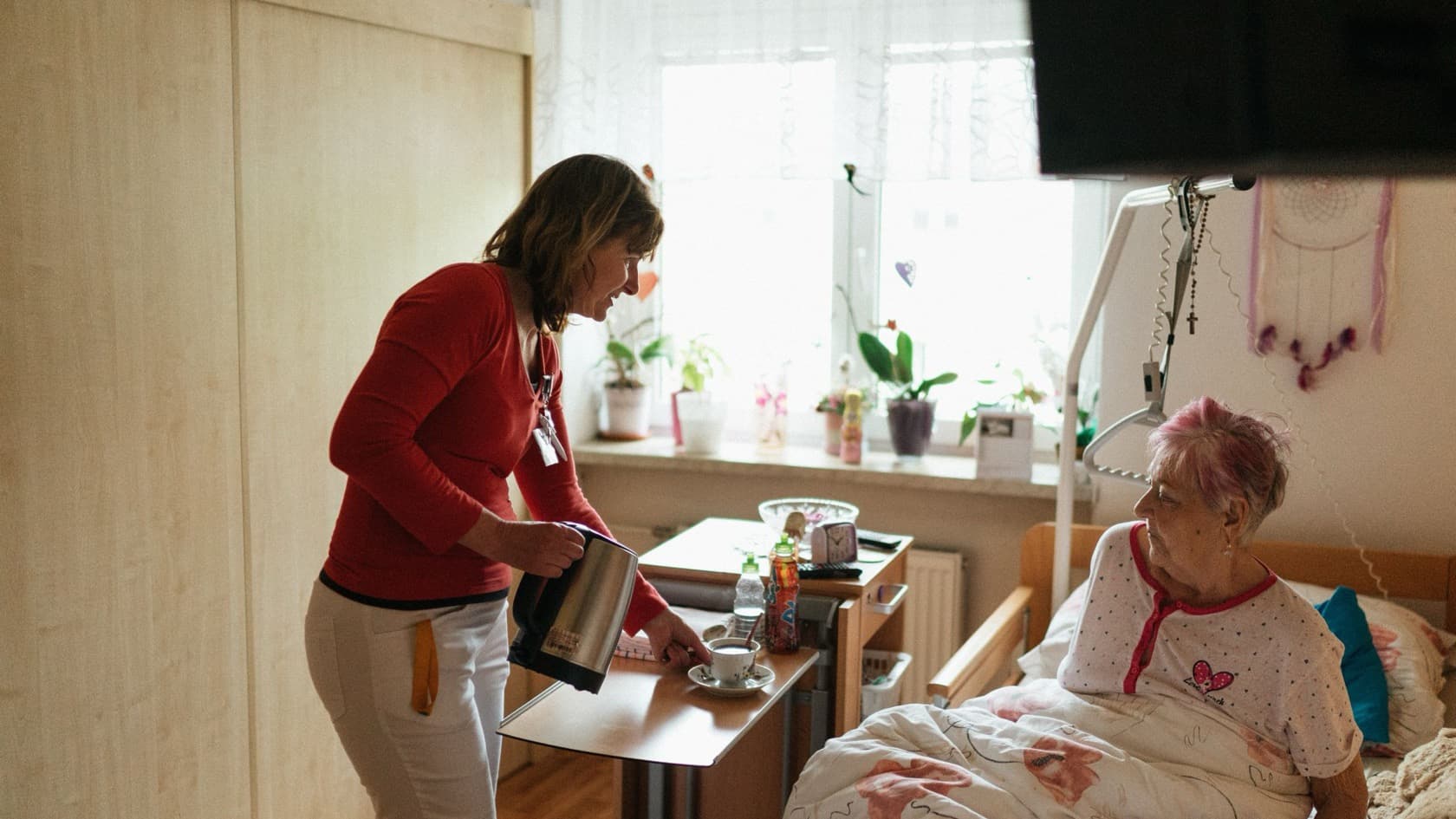
Take a carer on the morning round. She helps a resident with breakfast and a glass of water, then logs both on her phone before moving to the next room. A symbol on the resident list reminds her that this resident needs extra fluids, so the water entry matters.
That same entry appears on the family's timeline. A son checking the app sees the meal, the fluids and the morning's vitals without calling anyone. When he wants a record for a doctor's visit, he exports vitals, medicines and notes from the app.
Admissions and discharges follow the same pattern. When a resident is admitted or goes home, guardians receive an email and a WhatsApp message automatically. Birthdays of residents and staff show up as reminders, and push notifications carry urgent alerts.
The result
Carers now record each care event on a phone as it happens, and relatives see it on a timeline. Families can export vitals, medicines and notes, read statements and pay in the app, and guardians hear about admissions and discharges without a phone call.
Because both apps sit on the provider's existing web system, care records, accounts and checklists stay in one place rather than in a separate product.
What the research says
Smartphones are in most homes. About 85.5% of Indian households had at least one smartphone in early 2025, and 86.3% had internet access at home, according to the government's telecom survey (MoSPI via PIB, May 2025). A family app with a live care timeline reaches relatives on a device they already own.
Families already pay on their phones. UPI accounted for 85% of India's digital payments in FY2025-26, according to NPCI figures published by the Government of India. Paying a care bill in an app fits how many Indian families already handle money.
Indians expect businesses on chat. A 2025 Kantar study cited by WhatsApp's owner, Meta, found that 91% of online adults in India chat with a business every week (Meta, May 2026). That is why admission and discharge notices reach guardians on WhatsApp as well as by email.
Where AI fits next
The apps don't use AI yet; here is where it could earn a place. A model could turn each resident's care log into a short daily summary for the nurse in charge to check.
It could flag patterns worth a look, such as water intake falling over several days. It could also draft a plain-language weekly update for families, for staff to review before it is sent.
Planning something similar?
Before you add bedside care recording software or a family app to a care system, it helps to answer four questions:
Which care events must be logged, and how many taps can a carer spare for each?
What should families see in real time, and what should wait for a nurse's review?
Will families pay in the app, and which statements and reminders do they need?
Which messages should go out automatically, and on which channels?
Both apps here are cross-platform, and our native versus cross-platform guide explains when that choice makes sense. There is more on our mobile app work, on automating messages and checklists, and on our health and elder care clients.